
SIZE
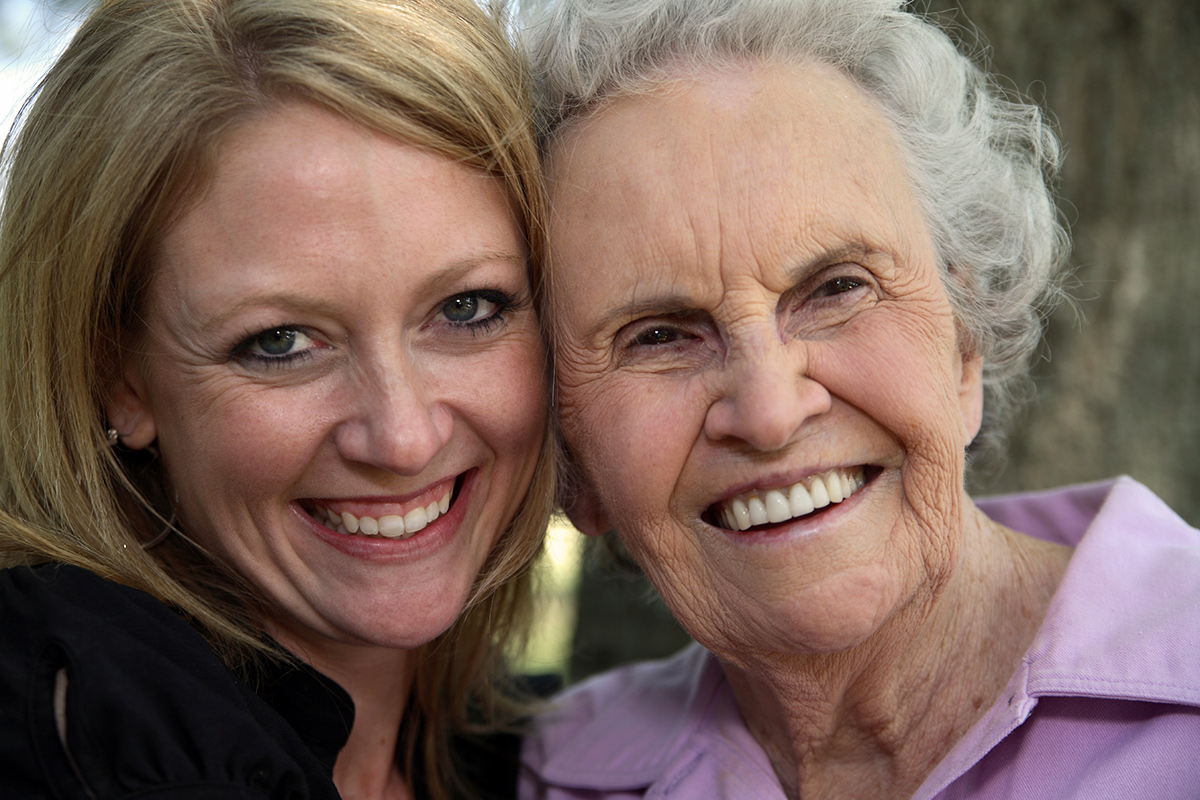
What is Memory Care? Tips for Starting the Conversation.
Treva Nell, Marketing Director
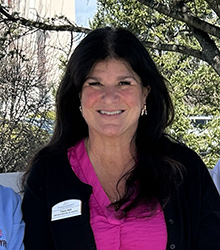 For more than 32 years, Treva Nell has helped older adults and their families navigate the changing needs that come with aging. She began her career in 1994 as a Licensed Practical Nurse (LPN) before serving in leadership roles including Director of Wellness, Executive Director, and operations management. Since 2008, she has focused on helping families understand senior living options and guiding them through some of life’s most emotional decisions. Today, as Marketing Director at Ecumenical Retirement Community, her clinical background and decades of experience give families both practical guidance and compassionate reassurance.
Discussing the possibility of memory care can be a challenge. While we want our loved ones to be happy and well-cared for, it’s not always easy to convince them that a different environment could help minimize the effects of memory loss.
According to Treva Nell, Marketing Director at Ecumenical Retirement Community, that’s completely understandable. “Families don’t want to hurt or frustrate someone they love,” she says. “They’re afraid to even bring up memory support, because they’re not always completely sure if that’s the right solution.”
Conversations Can Help Evaluation the Scope of Memory Loss
Many people assume memory support begins and ends with forgetfulness. Treava says that’s rarely the full picture. Memory loss can be a symptom of a range of conditions. And the clues to memory loss can appear in a variety of ways. “Sometimes families come to us because Mom doesn’t seem to be benefitting from medications,” she explains. “Other times it’s because the house isn’t being cared for, meals aren’t getting prepared, or Dad has become withdrawn and isn’t socializing anymore. They ask us, ‘what is memory care and does my parent need it?'”
She often encourages families to dig a little deeper instead of accepting surface explanations. “For example, a loved one may say they’re taking their medications every day, but are they? Have systems been put in place to make sure? Sometimes your loved one will create coping strategies, hiding details, because they know something has changed, even if they don’t want to admit it.”
She encourages families to avoid accusations, like “You forgot to take your medication,” and ask related questions instead, such as, ‘Are your medications hard to swallow? How do you keep track of when to take medications?'”
Coping strategies make it challenging to get a straight answer “Even people with memory issues can be incredibly resourceful,” Treva says. “They make excuses. They explain away problems. We often see increased anxiety, frustration, anger, irritability, or even depression with our memory care residents. They don’t like to admit it’s happening.”
With this in mind, Treva suggests asking broader questions about their day or their week. Asking “How are you feeling this morning?” is an open-ended question that isn’t tied to memory care, but may allow them space to tell you about things that are concerning them.
By asking fewer specific questions, you avoid appearing as if you’re trying to “catch them” in a memory mistake. Instead, you’re having seemingly ordinary conversations about their life. As you listen more, you’ll get hints about the extent of their memory loss.
Is Earlier Better?
“The earlier we can intervene, the better opportunity we have to help preserve someone’s abilities,” Treva adds. “When people ask , ‘What is Memory care?” I emphasize that it’s not always about meds. It’s also about socialization, structured activities, music, conversation, and routines. They are all important parts of memory care.”
Beginning the conversation early allows people to benefit from a program’s engagement activities, before significant decline occurs.
She also notes that many older adults living alone gradually become isolated without anyone realizing it. “That kind of isolation can become a big issue. Loneliness affects both physical and cognitive health,” she says. “Our Connections Program gives residents meaningful opportunities to engage every day. They’re not sitting alone wondering what to do next.”
You Don’t Have to Know Everything
“People sometimes think there’s only one type of memory support,” Treva explains. “There isn’t. Every person is different. When you ask, ‘What is memory care?’ you may get a variety of answers.”
She emphasizes that families don’t need to arrive for their first tour knowing exactly what level of care their loved one requires. “This evaluation doesn’t fall on the family,” Treva says. “And we don’t make those kinds of determinations on a tour. Instead, we show our guest a range of living situations, and emphasize that our experienced clinical team helps determine what kind of care strategies will help someone be the most successful. We may change the care plan as the resident’s memory loss or dementia changes or progresses.”
How to Start the Conversation
Perhaps the biggest question families ask Treva is simply, “How do I bring this up?” Her advice is to avoid arguments and focus instead on love, concern, and specific observations.
“Be honest,” she says. “You might say, ‘I know taking care of the house has become harder.’ Or ‘You’ve told me you’re lonely during the day because we’re all working.’ Talk about the things you’ve actually observed.”
Instead of asking families to focus on a diagnosis, Treva encourages them to start with something much simpler. “I always encourage families to consider quality of life. Instead of asking ‘what is memory care?” ask yourself, ‘What does this person need to be successful?’ What does that success actually look like, and are they able to work towards success today? Looking at life through these lenses often tell us much more than simply asking whether someone is forgetting things.”
She also encourages families to involve their loved one in the process whenever possible. “Memory care can mean different things to different people, so invite them to come and visit,” Treva says. “Tour a community together. If they’re able to participate in the decision, they may see the benefits for themselves.”
Above all, she reminds families that they don’t have to figure everything out before asking for help. “You don’t have to know whether someone requires secure Memory Support, unsecured Memory Support, assisted living, or something else,” Treva says. “Our team will help evaluate what’s happening and guide families toward the option that best meets their loved one’s needs.”
Care is a Gift
The conversation may never feel easy, but Treva believes it’s one of the greatest gifts families can give. “You start by wondering ‘What is memory care?’ and when you have conversations that come from a place of love and concern, not fear, they become much easier,” she says. “Our goal isn’t simply to provide care. It’s to help every person continue living with dignity, purpose, and the support they need to be successful.”
Categories:
- All
- Alzheimer's
- Assisted Living
- Blood Drive
- car wash
- caregiver
- christmas
- Community Blood Drive
- community event
- Comparing Retirement Community Costs
- Dance
- dementia
- dining
- donate
- donations
- downsizing
- easter
- easter bunny
- easter egg hunt
- ecumenical
- exercise
- fall prevention for seniors
- family
- Family Community Event
- For Adult Children
- grace
- Grandparents Day
- health
- holiday season
- Holidays
- Independent Living
- Kids Event
- Memory Care
- moving to a retirement community
- Personal Care
- pets
- retirement community
- retirement home
- Safety
- social activities
- the longest day
- tree lighting
- trial stay
- V Day
- winter